
Cavity Slider Door Problems: 10 Common Issues (and Fixes) for Australian Homes
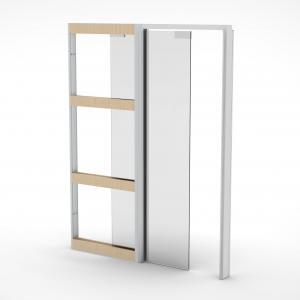
Premium125 Cavity system
Cavity Slider Door Problems: 10 Common Issues (and Fixes) for Australian Homes (2026 Guide)
Cavity sliders (also called pocket doors) are a smart way to save space and keep interiors clean and modern.
Because the door runs inside the wall, small issues—dust, alignment, wear—can build up over time.
Below are the 10 most common cavity slider door problems, easy fixes you can try, and when it’s best to call a professional.
Quick 60-Second Check (Do This First)
Before you book a service call, run through these basics. In many cases, the fix is a simple clean-up or a small adjustment—rather than a replacement.
- Is the door rubbing the jamb or skirting anywhere along travel?
- Is there grit in the floor guide (even tiny debris can cause noise)?
- Does the door look out of level (uneven top gap)?
- Does soft-close engage sometimes but not always?
- Was the door painted recently (paint build-up can reduce clearance)?
Tip: Avoid oil-based sprays inside the track. They can attract dust and make issues worse over time.
10 Common Cavity Slider Door Problems (and Fixes)
1) The Door Sticks or Feels “Heavy”
Likely causes: Dust/debris in the head track area, rollers slightly out of alignment, door sagging and rubbing the jamb.
Try this: Vacuum/brush the track zone, check if the top gap is even, and inspect the closing edge for rub marks.
Call a pro if: The door binds hard mid-travel (could indicate track damage or installation issues).
2) Noisy Sliding (Grinding, Clicking, Rattling)
Likely causes: Grit in rollers/track, worn roller bearings, loose hardware.
Try this: Clean first; then carefully tighten accessible fasteners. If noise persists, rollers may need replacement.
Tip: If the door is used constantly (bathrooms, laundries), roller wear tends to show sooner.
3) The Door Rattles or Wobbles
Likely causes: Floor guide misaligned/too loose, excess clearance at the guide, door leaf slightly warped.
Try this: Re-centre the floor guide so it stabilises without pinching. If the door leaf is warped, a solid-core door can be more stable.
4) Soft-Close Doesn’t Engage
Likely causes: Trigger/activator misaligned, soft-close unit not seated correctly, engagement point off due to stopper placement.
Try this: Check alignment of the activator and trigger point and confirm the stopper positions allow proper “catch”.
Good to know: Soft-close improves comfort and reduces slamming-related wear.
5) Soft-Close Engages, But the Door Still “Slams”
Likely causes: Damper wear, door weight outside the ideal range, incorrect adjustment (if available).
Try this: Verify the door suits the system’s recommended weight range; consider replacing the damper/module if it’s older or failing.
6) The Door Won’t Close Flush (Misaligned at the Jamb)
Likely causes: Door out of level, jamb not square (common in older homes), settlement after renovation.
Try this: Adjust hangers/rollers to level the door. If the jamb is out of square, a professional can shim and refine the finish.
7) The Door Scrapes the Floor
Likely causes: Door has dropped, new flooring reduced clearance, floor guide set incorrectly.
Try this: If flooring changed recently, clearance is often the culprit. Adjust roller height slightly. If clearance is extremely tight, trimming may be required.
8) The Door Feels Unsafe or Comes Off Track
Likely causes: Missing/incorrect anti-jump feature, hardware loosened, door too heavy for the system.
Try this: Stop using the door until checked. If you’re not confident, book an inspection for track, hangers, and safety components.
9) The Door “Bounces Back” After Closing
Likely causes: Stopper position incorrect, soft-close engaging too early/late, door not landing cleanly in the closed position.
Try this: Reposition stoppers so the door settles properly; recheck soft-close engagement point.
10) It Works Fine… Until Humid Weather
Likely causes: Timber swelling, tight clearances plus paint build-up, door leaf not suited to the environment.
Try this: Lightly sand and reseal rubbing edges if swelling is seasonal. Consider a more stable door leaf in humidity-prone areas.
Simple Maintenance (5 Minutes Every 3–6 Months)
A small routine prevents most performance issues:
- Vacuum dust from the head track area
- Check and clean the floor guide
- Listen for new noise (early sign of wear)
- Confirm the door sits level (even top gap)
FAQ
Can cavity sliders be installed into existing walls?
Yes, but retrofitting usually means opening part of the wall to install a cavity frame correctly.
For lower-demolition renovations, some projects may suit alternative sliding solutions depending on layout and finishes.
Is soft-close worth it?
For most homes, yes. Soft-close improves daily comfort, helps prevent slamming, and reduces wear—especially on bedroom and bathroom doors.
When should I replace rollers instead of adjusting them?
If cleaning and alignment don’t solve grinding or clicking, or the door feels rough at the same point every time,
roller bearings may be worn and replacement is often the best fix.
Should I DIY adjustments?
Basic cleaning and simple checks are usually fine. If the door feels unsafe, comes off track, or you’re unsure, book a professional inspection.
Need Help With a Cavity Slider That Isn’t Running Smoothly?
If your door is sticking, noisy, scraping, or soft-close isn’t behaving the way it should, contact Premium Sliding Doors
for advice on the right components, adjustments, or upgrades for your setup.
FAQ
Why Choose the Premium 125 Single Cavity Frame?
- Maximises usable floor space (saves up to 0.65 m² per room)
- Designed for Australian standard door sizes and wall systems
- Available in multiple configurations including telescopic and corner meeting
- Compatible with timber, aluminium and frameless glass doors
- Supports manual, soft-close and automatic operation
- Provides a clean, modern architectural finish
What is a cavity sliding door system?
A cavity sliding door system is a door that glides inside the wall cavity instead of swinging open. This allows you to save space and create a modern, clean interior look.
Why choose a Premium Sliding Doors cavity system?
Premium Sliding Doors provides durable aluminium frames, smooth rolling systems, soft-close options, and custom sizing for residential and architectural projects.
What wall thickness do I need for a cavity slider?
Our systems fit:
76mm stud walls (Only for Premium 125 system)
90mm stud walls
Custom configurations available for renovations and new builds.
Can cavity sliders be installed in existing homes?
Yes, cavity sliders can be installed in both new homes and renovations. Some walls may require partial opening for frame installation.
What type of doors can be used with premium cavity sliders?
Recommended Pairings Based on Door Type:
✔ Hollow core timber door → Premium 65
✔ Solid timber door → Premium 125 or Premium 150
✔ Tall custom doors (2400–3000mm) → Premium 150
✔ Aluminium-framed glass doors → Premium 125 or Premium 150
✔ Frameless glass doors (10–12mm) → Premium 125 or Premium 150
Do you offer soft-close and soft-open options?
Yes — we supply premium soft-close mechanisms for smooth and controlled door movement. Soft-open available on selected systems.