
Description
Single Cavity Slider for Internal Timber Doors
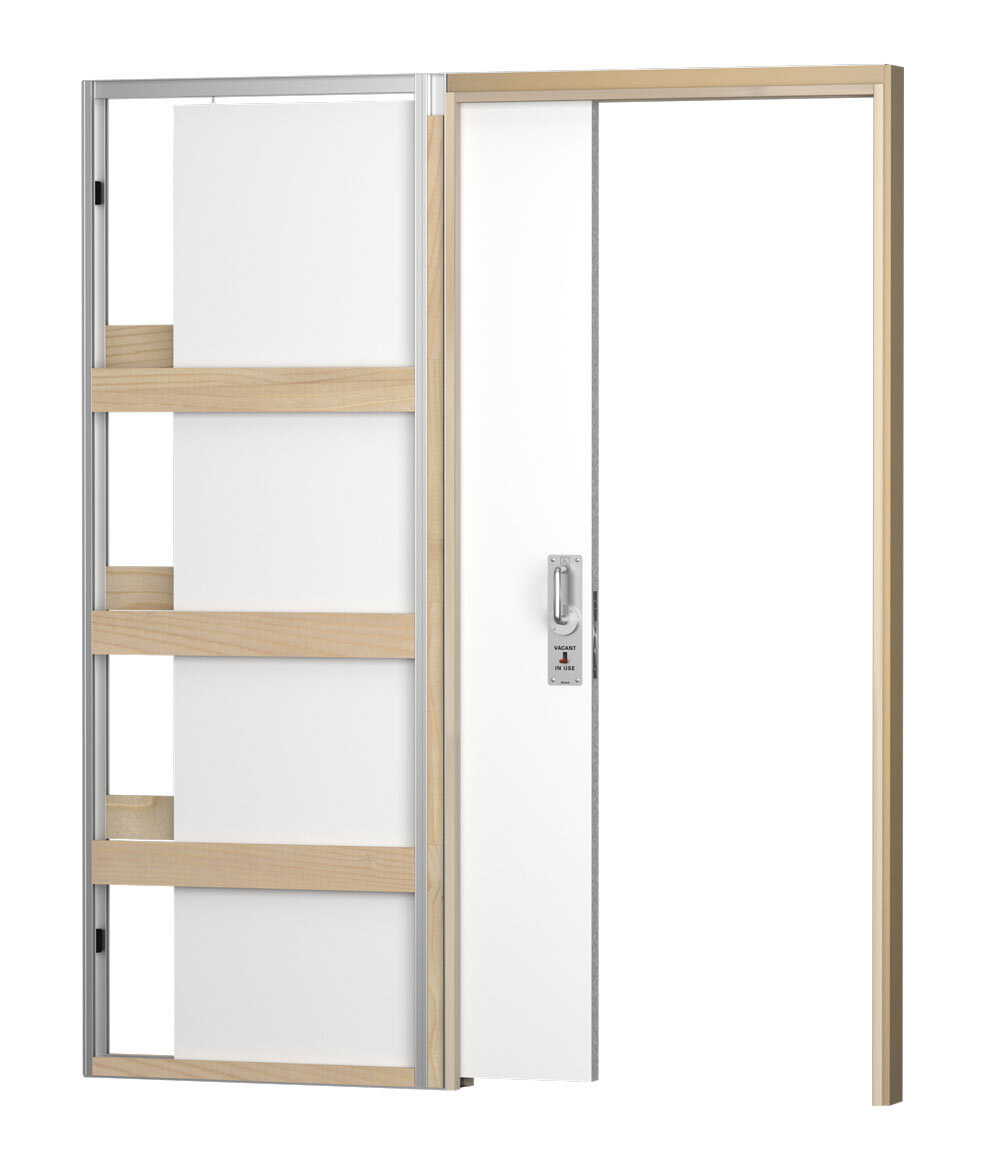
The Premium Single Cavity Door Slider 65 works as a single cavity slider for internal timber doors up to 65 kg. It uses an aluminium cavity frame, smooth roller hardware and practical installation details. Therefore, it suits homes, apartments and light commercial interiors where builders need a clean and space-saving sliding door system.
This system belongs to the Premium Sliding Doors cavity slider range. It gives builders, installers, designers and homeowners a reliable cavity sliding door frame for standard internal doors. Also, it helps save floor space because the door slides into the wall cavity instead of opening into the room.
What is the Premium Single Cavity Door Slider 65?
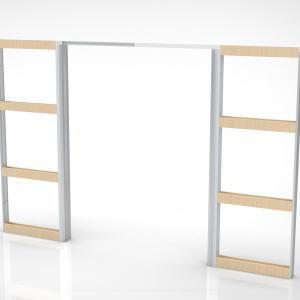
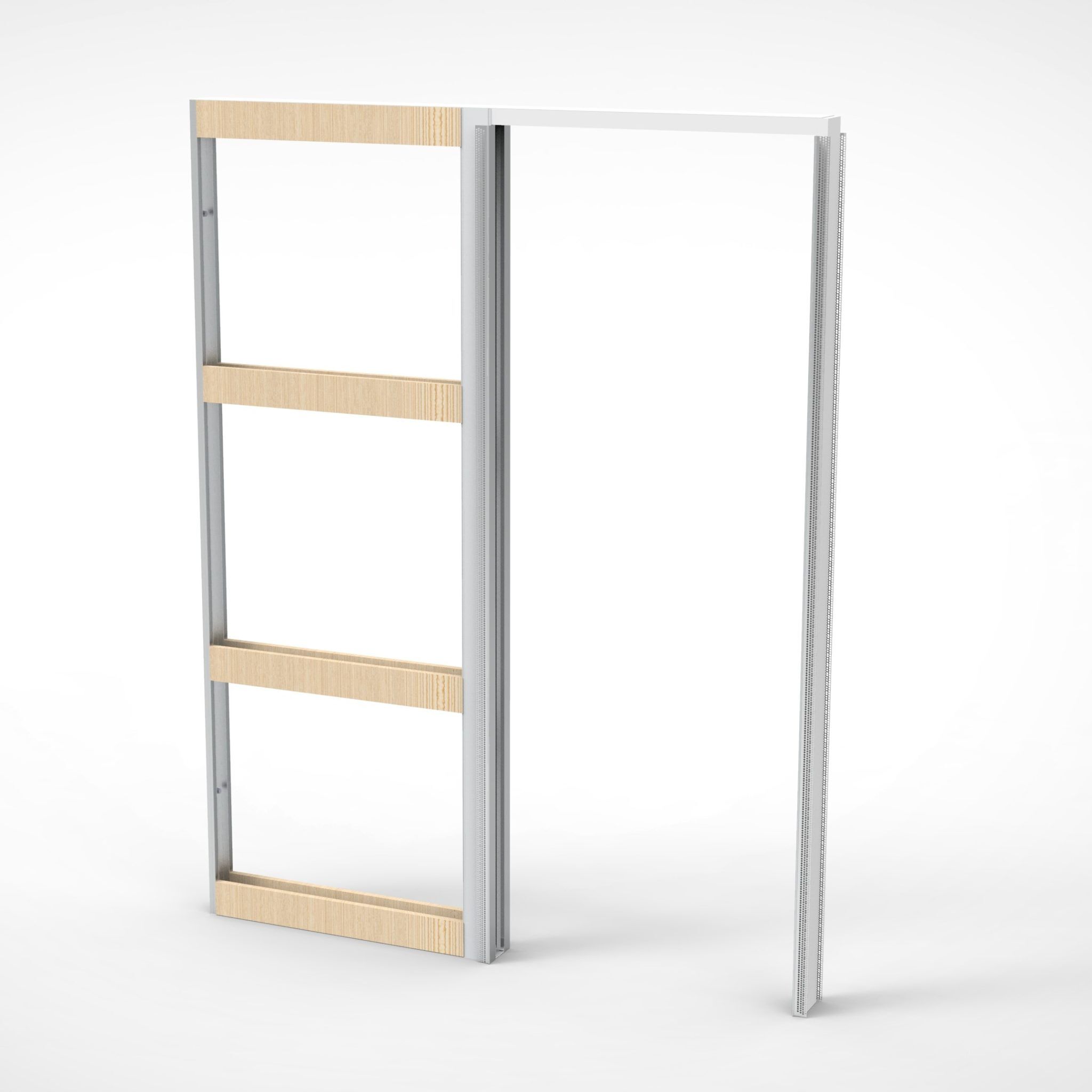
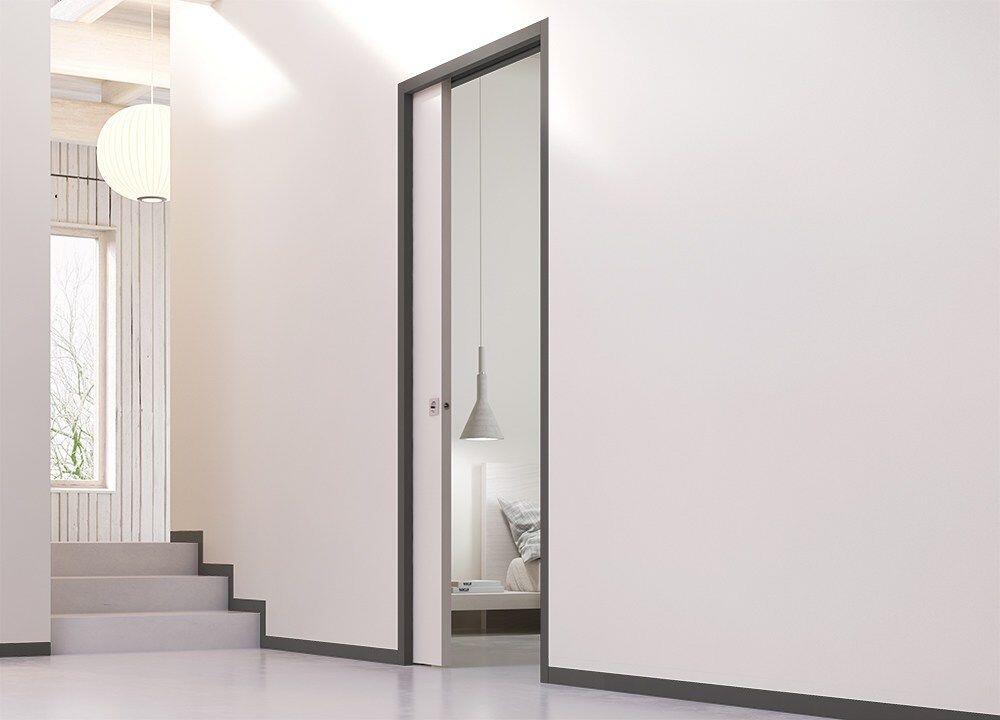
The Premium Single Cavity Door Slider 65 is a complete cavity door frame for one sliding door panel. The door slides into the wall pocket, which helps improve room layout and creates a cleaner internal opening.
The system includes an aluminium cavity frame, powder-coated top track, metal body roller carriage, plastic bottom guide, side brushes, rubber door stopper, closing jamb and trims. In addition, it gives installers a practical aluminium cavity slider system for standard internal timber doors.
Who should use this single cavity slider?
This single cavity slider suits builders, renovators, designers and homeowners who want a professional cavity slider system at a competitive price. It works best when the selected door stays within the 65 kg door rating.
For example, Premium 65 is a good option for bedrooms, bathrooms, laundries, ensuites, wardrobes, hallways, home offices and internal room dividers. It also suits apartments, townhouses and light commercial interiors.
Engineering advantages of the Premium 65 system
The Premium 65 system uses practical engineering details that help with installation, operation and long-term use. The aluminium cavity frame provides a clean and stable wall pocket structure. Also, the powder-coated top track helps keep the roller carriage securely guided during normal sliding door operation.
The metal body roller carriage uses 4 bearings, 4 nylon wheels and a secure thread lock. This helps support smooth manual sliding movement for compatible internal timber doors. In addition, the side brushes, bottom guide, rubber stopper and closing jamb help complete the cavity door installation and improve the final appearance.
Single cavity slider with Zero Clearance option
For compatible configurations, installers can use the Premium Zero Clearance option with the Premium 65 system. Zero Clearance is not a frame and not a cavity unit. Instead, it works as a roller mounting and bracket system that reduces the visible gap between the door and the track area.
In many classic cavity slider systems, the visible gap between the door and the track area can be around 10 mm or more. However, the Premium Zero Clearance option can reduce this visible gap to approximately 3–5 mm in compatible systems. This creates a cleaner architectural finish, a reduced shadow line and a better wall-to-door transition.
The Zero Clearance system also uses a fast locking bracket mechanism. This mechanism secures the roller pin into the door bracket. As a result, fitting, adjustment and future servicing become more practical for installers.
Premium 65 vs Premium 125 vs Premium 150
The Premium 65 system suits standard internal timber doors up to 65 kg. It is a practical choice for residential and light commercial projects that need a reliable manual cavity slider.
The Premium 125 system suits heavier doors and higher specification projects. It can support soft-close, soft-open, invisible track and Zero Clearance options. Therefore, it is often a better choice for architectural projects or premium residential installations.
The Premium 150 system suits larger and heavier sliding doors. It includes engineering advantages such as self-levelling rollers and a debris-shedding track profile. These features help improve load distribution, reduce wheel-path obstruction and support smoother long-term operation.
Applications
The Premium Single Cavity Door Slider 65 works well in many internal applications. These include bedrooms, bathrooms, ensuites, laundries, wardrobes, pantries, hallways, offices and internal room dividers.
Because the door slides into the wall cavity, this system helps save usable floor space. It also gives the room a cleaner and more open layout.
Suitable door types
The system suits timber doors, solid doors, hollow core doors and MDF doors. However, the selected door must match the system size and stay within the 65 kg door weight rating.
Jamb and finish options
The Premium 65 single cavity slider can work with architrave, square set / Ezy Jamb style finishes and Shadow-line P-50 details. This gives builders and designers flexibility. For example, they can choose a traditional trim finish or a cleaner modern architectural look.
Supply and installation
Premium Sliding Doors supplies cavity slider systems Australia-wide. Installation is available in Sydney only. For supply-only orders, customers can contact Premium Sliding Doors with door sizes, wall details, finish requirements and delivery address. Then, the correct cavity slider system can be confirmed before ordering.
Why choose Premium Single Cavity Door Slider 65?
The Premium Single Cavity Door Slider 65 gives builders and homeowners a clean, practical and cost-effective cavity door system. It combines aluminium frame construction, smooth roller movement, roller jump-proof track design and practical installation details.
In summary, this single cavity slider is a strong choice for standard internal timber doors up to 65 kg. Also, the available Zero Clearance option can improve the final appearance when the project needs a more architectural finish.
Related cavity slider guides
- Cavity Sliders Australia
- What Is a Cavity Slider Door?
- What Size Cavity Slider Door Do I Need?
- Cavity Slider Door Cost Australia
- How to Install a Cavity Slider Door
- Zero Clearance Cavity Slider
- Cavity Slider Product Range
For general Australian building information, you can also refer to the Australian Building Codes Board.